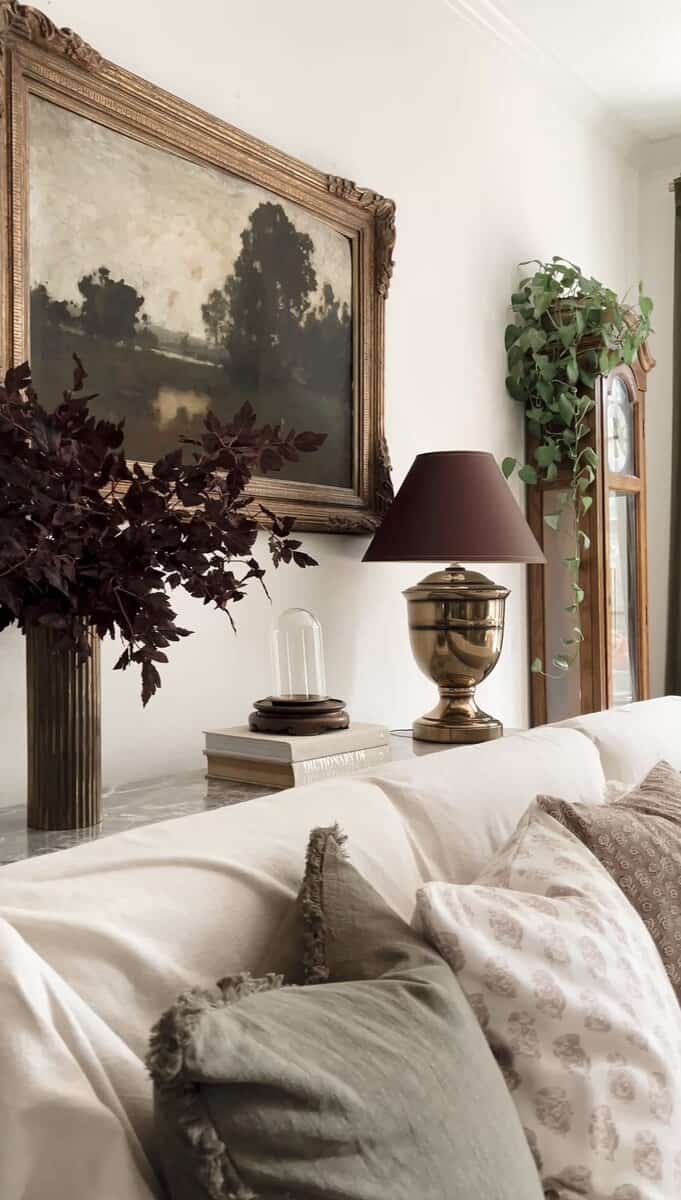
Have you ever walked into a room and immediately felt a sense of calm? It’s not just that it’s clean or decorated well. It’s that the space feels right. Everything seems to belong, yet nothing is fighting for your attention.
That effortless feeling usually comes down to one thing: negative space.
Negative space is one of those design concepts that sounds fancy but really isn’t. It’s just the “empty” areas. The space around your furniture, on your walls, and between decor pieces. It’s what gives your home visual breathing room and balance.
When I first started decorating, I didn’t understand this. I was so excited to fill every corner and surface. If there was a blank spot, I found something to put there. My rooms were pretty, but something always felt off. They felt a little chaotic. One day, I cleared a few things off the coffee table and left part of it empty. That simple change made everything look instantly more intentional. The room finally felt calm.
That’s when it clicked: sometimes the most beautiful part of a room is what’s not there.
What you leave out matters just as much as what you put in.
What “Negative Space” Really Means
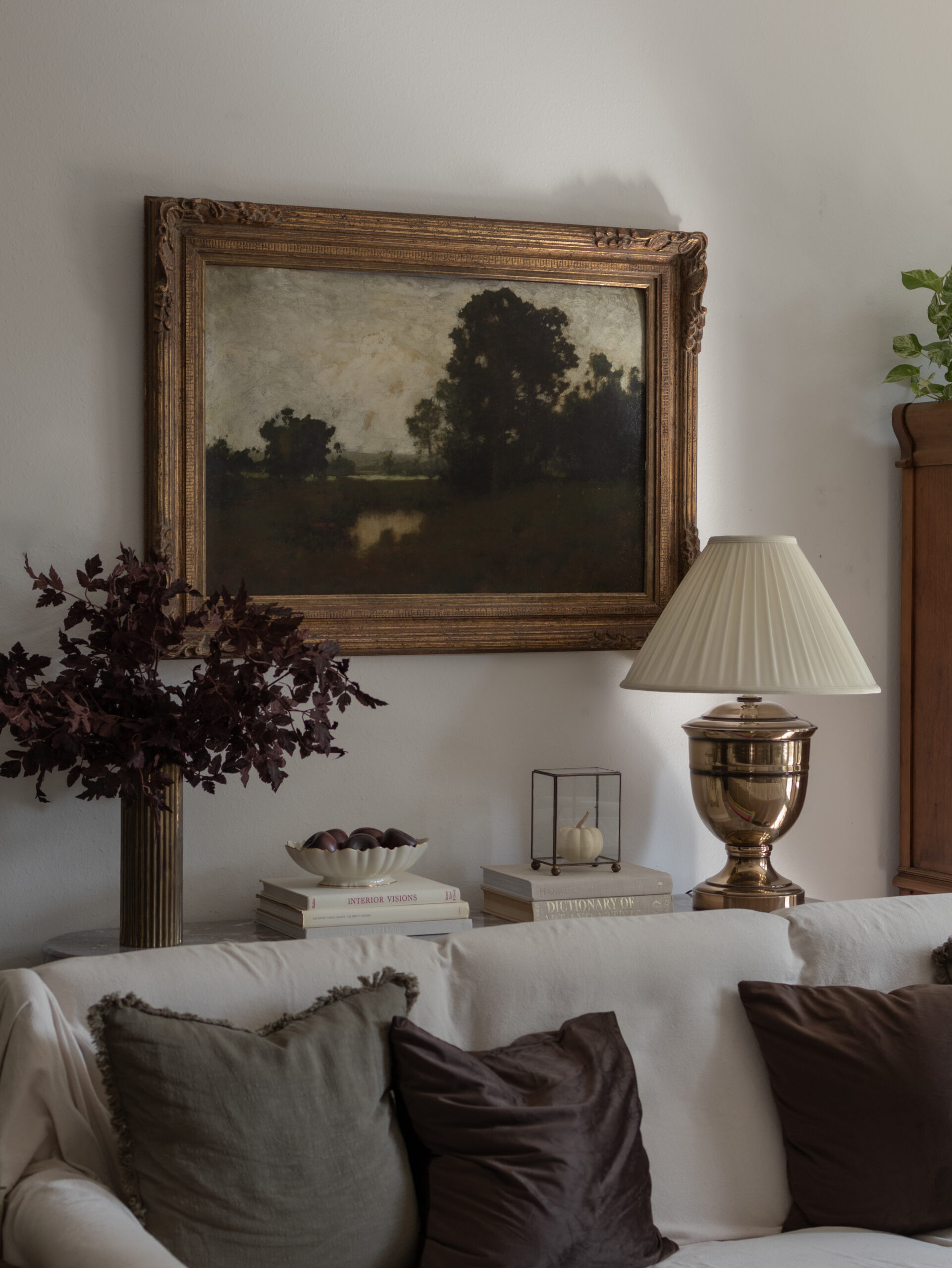
In decorating, negative space refers to the areas of a room that are left open. It’s the places where there’s nothing to see but air, texture, or light.
It might sound like a small detail, but it completely changes how a room feels. Negative space allows your eyes to rest. It makes your favorite furniture and decor stand out. It brings clarity and calmness to the overall design.
You don’t need to be a minimalist to use negative space well. In fact, even the most layered, cozy homes rely on it. It’s the quiet contrast that keeps things from feeling cluttered.
Imagine a wall covered in art from floor to ceiling. It can look bold, but it also risks feeling overwhelming. Now imagine that same wall with one large, beautiful piece of art centered on it, surrounded by plenty of blank space. The artwork suddenly feels more important. The wall feels balanced. You’ve created breathing room, and your eye naturally knows where to look.
That’s the magic of negative space. It’s invisible, but it’s powerful.
Negative space is the pause that lets the beauty in your home stand out.
Why Negative Space Makes Such a Big Difference
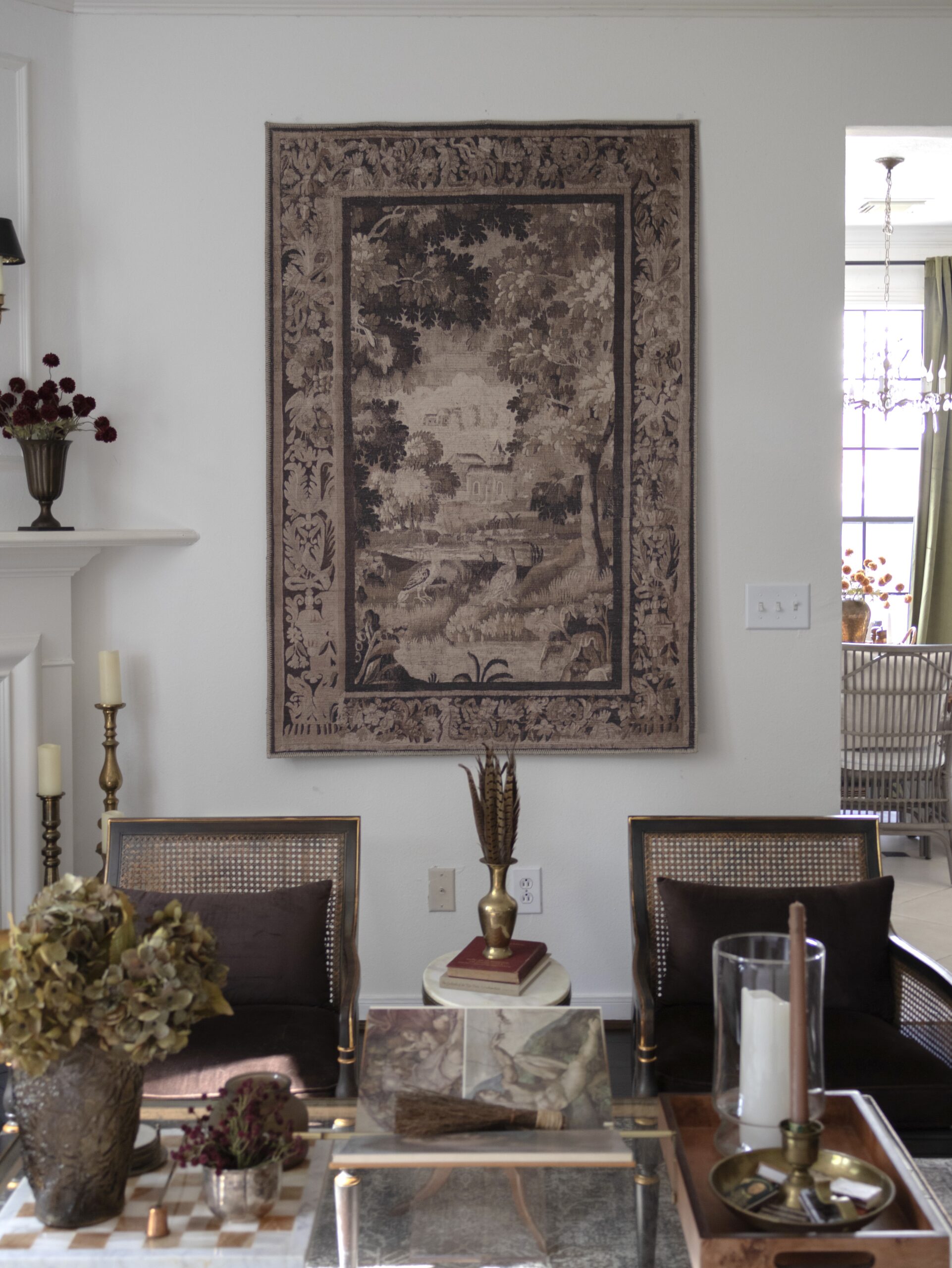
1. It Brings a Sense of Calm
Our brains crave order. When a room has too many competing elements (too many colors, patterns, or objects) it feels busy. Negative space helps quiet that noise.
Even a few inches of open space between furniture pieces or an uncluttered section of wall can make your whole home feel lighter.
2. It Highlights What You Love
If you’ve ever styled a shelf and felt like your favorite item “disappeared,” it’s probably because it didn’t have room to breathe. Surrounding a special piece with space draws the eye toward it naturally.
You can use this trick with everything from furniture to artwork to vintage finds. Try styling one shelf with fewer items or leaving one tabletop mostly empty. You’ll instantly notice how much more elevated everything feels.
3. It Creates Flow and Function
Negative space isn’t just about how things look. It also affects how you move through your home. A clear walkway between furniture, a little extra space near a doorway, or an open section of countertop makes your space feel easy to live in.
4. It Adds Intention
When a room has been thoughtfully edited, you can feel it. You can tell that everything was chosen with purpose, not just because there was a blank spot to fill.
Leaving space says, “I designed this on purpose.” It’s subtle, but it communicates confidence.
The secret to good styling isn’t adding more, it’s knowing when to stop.
How to Use Negative Space in Your Home
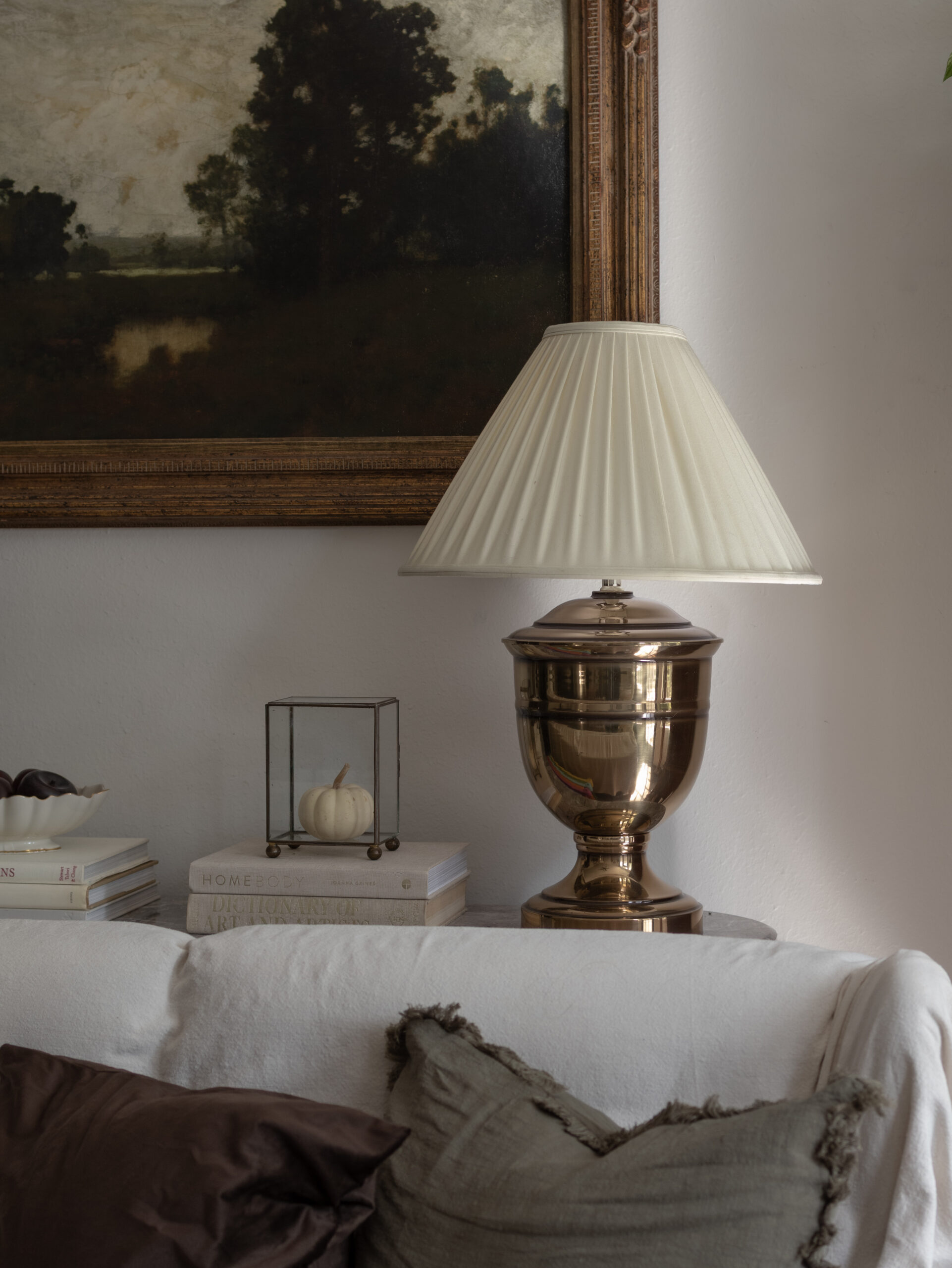
The best part about this design trick? You don’t need to buy anything new to make it work. In fact, the first step is about less, not more.
Step 1: Start by Editing
Pick one room. Maybe the one that’s been bugging you lately. Look at each surface, each wall, each shelf. Then remove a few things.
Take down one piece of art, clear off a couple of decor items, and step back. You’ll probably be surprised at how much better everything feels.
You can always add something back later, but starting with less helps you see your room with fresh eyes.
Step 2: Create Breathing Room Around Furniture
It’s tempting to push everything up against the wall to “save space,” but that can actually make your room feel smaller. Pull furniture out a few inches, or float a chair or side table if you can. Those little gaps let light flow and make the layout feel more intentional.
If you have a small room, use furniture with legs (like a sofa on visible legs instead of one that sits flat) to visually lighten the space.
Step 3: Choose a Focal Point
Every room needs a moment that draws your attention. Maybe it’s your fireplace, your favorite piece of art, or a vintage mirror you found thrifting.
Let that one thing shine by keeping the area around it simple. Fewer accessories, softer colors, and clean lines all help the eye focus where you want it to.
Step 4: Layer Slowly
Negative space doesn’t mean “bare.” It means balanced. Start with your main pieces (sofa, rug, table) and add layers one at a time.
Here’s a good rule of thumb:
- Style about two-thirds of a surface, leave one-third open.
- Mix textures (linen, wood, brass, ceramic) instead of filling every space with more objects.
- Step back often to see how it feels before adding more.
Step 5: Leave Something Blank on Purpose
This might feel uncomfortable at first. We’re so used to thinking that every wall or surface needs to be “done.” But blank space gives your home a sense of calm sophistication.
Try leaving one wall empty. It’s not unfinished. It’s intentional.
A quiet corner can speak louder than a room full of decor.
Room-by-Room Ideas for Negative Space

Living Room
Keep your sofa a few inches from the wall, and avoid over-decorating surfaces. Style your coffee table with three items. Try a tray, a book stack, and something organic like flowers or a candle. Let the rest stay open.
Entryway
Instead of filling every inch of your console, try just one lamp, a tray, and a small piece of art. This simple setup feels collected and uncluttered, and it makes a great first impression.
Bedroom
Your bedroom should feel peaceful, not busy. Simplify your nightstands and skip over-decorating the dresser. Let the area above your bed be simple. Think one large piece of art or nothing at all.
Kitchen and Dining
Clear countertops create instant calm. Keep one styled zone (maybe a lamp and a bowl of fruit) and let the rest stay open. In the dining area, resist the urge to overfill shelves or buffet surfaces.
Office or Study
Leave sections of your desk clear. Open space helps your mind focus. If you have built-ins, keep one or two shelves lighter. That contrast makes your styled areas look even better.
Common Mistakes (and How to Fix Them)

1. Over-Grouping Decor
If your shelves or tabletops feel cluttered, try removing one item from each grouping. Sometimes that one subtraction makes the whole setup look better.
2. Ignoring Scale
Tiny items in every corner create visual chaos. Instead, choose fewer, larger pieces that carry more visual weight. A big vase, a framed art print, or a single sculptural candleholder feels more elevated.
3. Forgetting About Light
Negative space loves good lighting. Let natural light hit those open areas. If you’re working with darker corners, add a lamp or candlelight to draw attention gently.
4. Over-Styling Every Room at Once
Focus on one room at a time. Once you see how peaceful it feels, you’ll naturally start editing the others.
I used to think a finished room meant every space was filled. But now, my favorite corners are the ones that have a little breathing room. When your home has space to breathe, you do too.
So the next time you’re styling a shelf or rearranging a room and something feels off, don’t rush to add more. Try taking one thing away instead. Step back, breathe, and notice what happens.
Sometimes the missing piece is simply the space around it.
Negative space isn’t empty, it’s peaceful.